
It’s five o’clock, nothing is thawed, and the vegetables you meant to cook on Sunday are still waiting in the fridge. This is where a well-chosen freezer shelf earns its space.
The most useful things to keep there have a job you can name: vegetables that save chopping, something substantial to add to noodles or grains, and one dinner that needs very little from you. You don’t need a freezer full of ambitious plans. A few ingredients you know how to use will do more for supper.
Here are four picks from our freezer selection, two ways to cook with them, and an easier option for the evenings when even a short recipe feels like too much.
What to keep on hand · Ginger-sesame noodles · Roasted squash bowls · Pizza night · Leftovers and storage
Start with what you actually like eating
If noodles are a regular dinner in your house, buy vegetables that work in noodles. If you never cook quinoa, there’s no need to start a whole new habit just because you bought a bag of squash. Choose the meal first, then the frozen ingredients that make it easier.
Shelled edamame: for noodles, rice and grain bowls
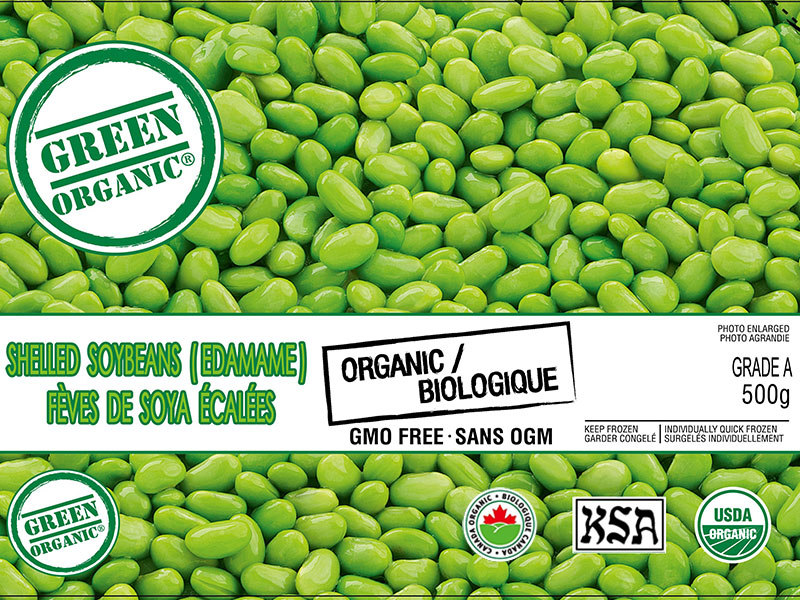
Green Organic Shelled Soybeans (Edamame), 500 g are already out of their pods. Cook the portion you need according to the bag, drain it, and add it to dinner. They bring a firm, pleasantly nutty bite to a bowl and make a useful alternative to opening a tin of beans.
Choose shelled edamame for these meals. Edamame in pods makes a lovely snack, but you would need to shell it before adding it to noodles. These are soybeans, so they aren’t suitable for someone avoiding soy.
Diced carrots and peas: vegetables without the chopping
Green Organic Diced Carrots and Peas, 500 g suit noodles, fried rice and soup. The small pieces are easy to mix through a meal and portion straight from the bag. This is a practical pick if half-used bags of fresh carrots tend to linger in your fridge.
Cook them as directed, then drain them well before adding them to a sauce. Water left clinging to the vegetables can turn a nicely seasoned noodle bowl into a watery one.
Cubed butternut squash: skip the peeling and the heavy knife
Stahlbush Island Farms Cubed Butternut Squash, 397 g takes care of the most awkward part of preparing squash. It still needs cooking time, but you can put that time toward something else while it roasts.
For a bowl, roast the cubes with room around them. For soup, simmer them in your broth until tender before blending. Those are different textures: a tray gives you browned edges; a saucepan gives you soft squash that blends easily. There’s no need to expect one method to do both.
A topped pizza: for the night you don’t want to cook
CAULIPOWER Margherita Pizza already has its tomato and cheese toppings. That matters when you’re buying a backup dinner: a plain pizza crust still needs sauce, toppings and assembly.
This pizza is gluten-free, but it contains milk and egg. A cauliflower crust doesn’t make it dairy-free or vegan. Check the current package whenever you’re shopping for an allergy or dietary restriction.
When you have about 20 minutes: ginger-sesame noodles
This is the choice for a busy evening when you want a hot meal without chopping several vegetables. The carrots and peas add sweetness, the edamame gives the bowl some bite, and a small amount of ginger wakes up the sauce.
Serves 2. Allow about 20–25 minutes, depending on the package cooking times. You’ll need a pot for the noodles, a second saucepan for the vegetables, a colander and a large frying pan.
What you’ll need
- 150–180 g dry noodles, such as wheat noodles or soba
- 200 g frozen shelled edamame
- 200 g frozen diced carrots and peas
- 1 tablespoon soy sauce or tamari, plus a little more to taste
- 1 tablespoon rice vinegar
- 2 teaspoons toasted sesame oil
- 1 teaspoon maple syrup
- 1 teaspoon finely grated fresh ginger
- 2 tablespoons water, plus more if needed
Put dinner together
- Get the water heating first. Bring the noodle water to a boil. Meanwhile, cook the edamame and carrots and peas according to their packages. If their cooking methods or times differ, cook them separately rather than assuming they’ll finish together. Drain thoroughly.
- Mix the sauce while the vegetables cook. Stir the soy sauce, vinegar, sesame oil, maple syrup, ginger and 2 tablespoons water together in the frying pan. Leave the heat off for now.
- Cook the noodles for the time on their package. Drain them, then add them to the pan with the cooked vegetables.
- Warm and toss. Put the pan over medium heat for 1–2 minutes, gently turning everything through the sauce until hot. Add water a tablespoon at a time if the noodles stick together. Taste before adding more soy sauce.
If you’re missing an ingredient: leave out the ginger rather than making a special trip. A little lemon or lime juice can replace the rice vinegar; start with 2 teaspoons, taste, and add more if you like. The meal will taste different, but the method still works.
If it looks watery: let it toss over the heat briefly rather than adding more sauce immediately. Next time, give the vegetables another minute in the colander. If the noodles look dry, a splash of water helps more than another spoonful of oil.
This version contains soy and sesame. Many soba noodles contain wheat as well as buckwheat. For a gluten-free version, choose labelled gluten-free noodles and tamari and check every other ingredient; the word “soba” isn’t enough.
When the oven can do most of the work: squash and edamame bowls
Sweet roasted squash, warm quinoa and a lemon-tahini dressing make a satisfying bowl without a long list of fresh ingredients. The same bag of edamame used for the noodles works here, which is more useful than buying a different ingredient for every dinner.

Serves 2. Allow about 35–40 minutes, including heating the oven. You’ll need a large baking sheet, a saucepan with a lid and a small saucepan for the edamame. This is a flexible supper idea, so package instructions take priority if your ingredients differ.
What you’ll need
- 1 bag frozen cubed butternut squash, 397 g
- 200 g frozen shelled edamame
- ½ cup dry quinoa, rinsed, plus the water specified on its package
- 1 tablespoon olive oil
- 2 tablespoons tahini, stirred well in its jar first
- 1 tablespoon lemon juice
- 2–3 tablespoons water for the dressing
- Salt and pepper, to taste
- Optional: a small handful of pumpkin seeds to finish
Cook the three parts at the same time
- Start with the oven. Heat it to 230°C (450°F). Toss the frozen squash with the olive oil and a little salt and pepper. Spread it in one layer on a large baking sheet. Roast until hot throughout, tender and beginning to brown, checking and turning after about 15 minutes. Allow roughly 20–25 minutes in total, with extra time if needed. The roast-from-frozen method is useful here; the important cues are tender centres and browned edges, not a timer alone.
- Put the quinoa on while the squash roasts. Follow the water ratio and cooking time on your package, then let it rest covered before fluffing. Cook the edamame according to its bag and drain.
- Stir the dressing. Mix the tahini and lemon juice, then stir in the water gradually until it pours from a spoon. Tahini may thicken at first when the lemon goes in; keep stirring and adding water. Season to taste.
- Build two bowls. Divide the quinoa between them, add the edamame and squash, then spoon over the dressing. Add pumpkin seeds if you have them.
Prefer rice? Use it instead of quinoa and follow its cooking directions. Brown rice may take longer than the squash, so start it first. Already-cooked grains are another option if they’ve been stored safely; reheat them thoroughly before assembling your bowl.
Not getting browned edges? Give the squash more space. A crowded tray holds steam, and frozen vegetables already bring extra moisture. Don’t add the edamame to the roasting tray just to save a pan: cook it as its package directs, then combine everything at the end.
The tahini brings sesame and the edamame brings soy. If sesame doesn’t suit you, replace the dressing with 1 tablespoon olive oil whisked with 1 tablespoon lemon juice, then season to taste.

When you want the shortest route: pizza and something fresh
You don’t need a second recipe to justify pizza night. Bake the Margherita pizza, then put washed salad leaves, cucumber or sliced tomatoes alongside it if you’d like something fresh. Use what you have rather than buying a separate collection of ingredients for a side dish.
The Canadian Margherita cooking directions call for a preheated 220°C (425°F) oven: remove the wrapping and place the frozen pizza directly on the middle rack. Bake for 11–13 minutes, until the crust is crisp and the cheese is golden, and make sure it reaches 74°C (165°F) internally. Ovens vary, so use the current box instructions and extend the time if needed. Let it cool briefly before slicing.
Allow for preheating as well as baking. And choose the quantity for the appetites at your table: one pizza isn’t automatically dinner for two hungry adults. Check the package size before deciding how many to cook.
Buy for one useful dinner, then build from there
For the noodles, start with one bag each of edamame and carrots and peas, plus noodles and the sauce ingredients you’re missing. The quantities above leave some frozen vegetables for another meal. If you also want the squash bowls, add one bag of squash, quinoa, tahini and a lemon; the same 500 g bag of edamame covers both recipes, with a little left over.
Close opened bags well, return them to the freezer promptly and keep their cooking instructions. A bag you can portion is helpful only if you can find it again, so keep everyday dinner ingredients together rather than buried behind everything else.
Keep tomorrow’s lunch in mind
Frozen vegetables need the cooking their packages specify, not just thawing or a quick rinse. Keep frozen ingredients frozen until you’re ready to use them when the directions call for cooking from frozen.
For cooked meals, refrigerate leftovers promptly in shallow containers. Don’t leave them out for more than two hours. Eat refrigerated leftovers within 2–3 days or freeze them, and reheat to 74°C (165°F). Keep the bowl dressing separate if you can, and reheat only the portion you plan to eat.
Our frozen and refrigerated foods are for local delivery, pickup or shopping in store, not parcel shipping. Browse the frozen selection, or visit us at 486 Starboard Drive in Bedford or 590 Portland Street in Dartmouth. Tell us what dinner usually looks like at your house, and we can help you find a few things that will actually get used.
Ready when you are.
Book an appointment with our expert practitioners or visit our wellness market to explore our carefully curated products.