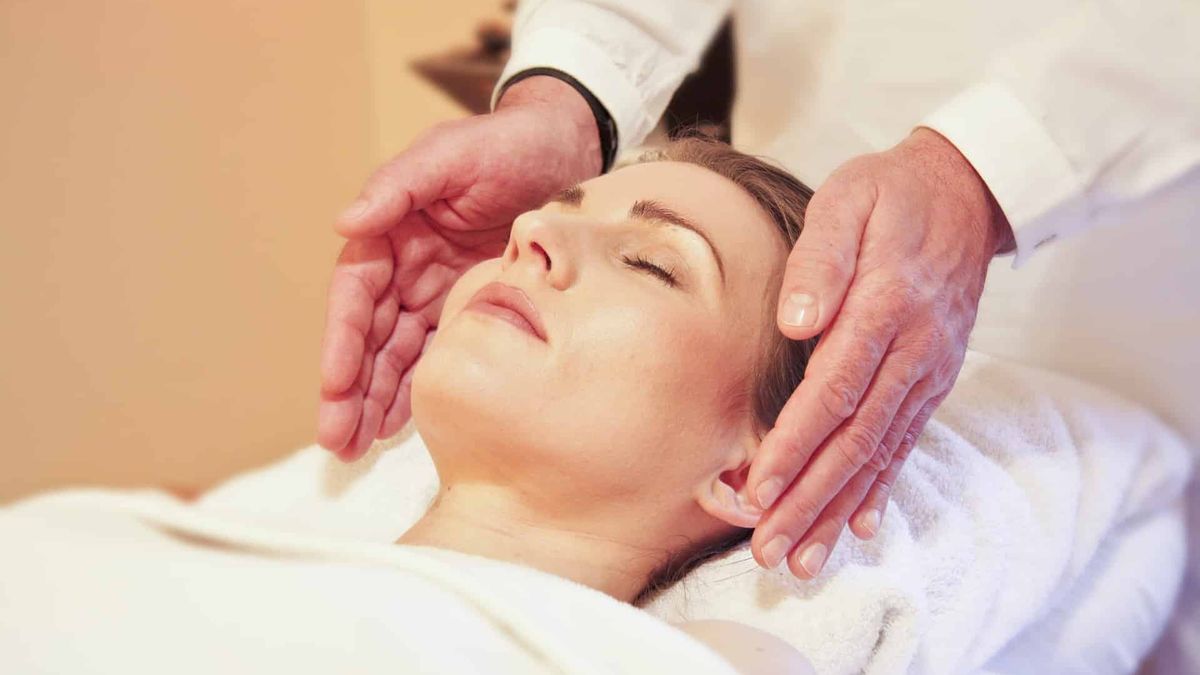
In our fast-paced world, it's no surprise that many people suffer from anxiety, impacting mental health and daily routines. While there are many methods available for managing anxiety, one alternative treatment that has gained popularity in recent years is Reiki.
What Is Reiki?
In the late 1800s, Mikao Usui, a Japanese spiritual teacher, developed Usui Reiki as a form of spiritual healing. The term "Reiki" comes from combining two Japanese words, "rei" (universal) and "ki" (life force energy). This spiritual practice involves the transfer of this universal life force energy through the hands to promote balance and healing in the recipient.
Practitioners and those receiving Reiki treatments often describe the experience as a wonderful glowing radiance that flows through and around them, providing peace, security, and well-being. Often referred to as palm healing or hands-on healing, Reiki is not affiliated with any specific religion, making it accessible and beneficial to all.
How Does Reiki Work?
Reduces Anxiety Levels
Reiki healing for anxiety involves the use of energy work to promote relaxation and calmness. The gentle touch, coupled with the calming nature of Reiki, can help reduce anxiety levels in individuals who are prone to feeling overwhelmed or anxious.
For instance, someone with chronic anxiety may experience relief from their symptoms after a Reiki session. More studies are needed to determine the effectiveness of Reiki in treating anxiety, but many people have reported positive results.
Promotes the Flow Of Energy
Anxiety often leads to blockages or disruptions in our energy centers. With its gentle touch and movements, Reiki works to stimulate the person's energy fields, helping to clear out any negativity or disruptions. This, in turn, promotes a sense of peace and balance, which is integral in overcoming anxiety conditions.
Natural Healing Process
Not only does Reiki aid in the relief of anxiety, but it is also effective in promoting the body's natural healing process. By helping to maintain a balanced energy flow throughout the body, Reiki creates an environment where the body is encouraged to heal itself. Its potential to reduce chronic and acute anxiety pushes the body towards a state of health and equilibrium.
Encourages Relaxation and Stress Relief
Reiki is known for its relaxing and calming techniques. By aiding in the reduction of both stress and anxiety, Reiki provides substantial mental and physical relief. The COVID-19 pandemic, in particular, has further highlighted its benefits, as it has helped countless individuals navigate the heightened levels of stress and anxiety brought on by the global crisis.
Lowers Blood Pressure
Reiki's role in alleviating stress and anxiety also extends to potential positive impacts on blood pressure. Since these mental health conditions often lead to hypertension, using Reiki for anxiety and stress relief can subsequently reduce blood pressure—improving overall health.
Safe and Non-Invasive
One of the main benefits of Reiki therapy is its non-invasive nature. It is a gentle healing process where the practitioner lightly places their hands on or over the patient's body to channel positive energy. This means there is no discomfort, making Reiki a suitable and safe option for everyone.
Complementary Therapy
Reiki is not only a standalone therapy; it can also complement other conventional medical treatments. It works by harmonizing the life force energy to cultivate equilibrium within the mind and body, boosting other treatments.
Improved Coping Mechanisms
Reiki is not just about treating anxiety but also improving the individual's ability to cope with stressful situations. Promoting a positive mindset and relaxation techniques enables individuals to develop and implement healthier coping mechanisms to manage their anxiety better.
Practical and Accessible
Furthermore, Reiki is a highly accessible form of therapy. It can be performed anywhere and doesn't require any special equipment. The number of sessions required varies from one individual to another based on their specific needs, with many often reporting relief after just a single session.
What Does a Reiki Healing Session Involve?
A Reiki healing session typically involves the following steps:
1. Consultation
Before starting the session, the practitioner will typically have a brief consultation with you. They will discuss your needs and what areas of your life or body you feel need attention. This is a chance for you to ask any questions and for the practitioner to explain how Reiki works.
2. Preparation
You'll be asked to lie down on a massage table, fully clothed. The practitioner may dim the lights, play calming music, or use aromatherapy to create a relaxing environment.
3. Treatment
The Reiki practitioner places their hands lightly on or just above your body, using specific hand positions and sequences. Each position is held for a few minutes. The hands can be placed over various parts of the body, including the head, limbs, and torso.
4. Energy Flow
Reiki healing is based on the idea that an unseen "life force energy" flows through us. Practitioners believe that they are transferring universal energy (i.e., reiki) in the form of qi (Japanese: ki) through the palms, which allows for self-healing and a state of equilibrium.
5. Relaxation and Release
During the session, you might feel warmth or tingling from the practitioner’s hands. You may also experience a deep sense of relaxation and peace as your stress and anxiety are released.
6. Post-Session
After the session, it's common to feel refreshed, relaxed, and in a positive, balanced state of mind. Your practitioner may suggest you drink plenty of water and rest if needed.
Each session usually lasts between 60 and 90 minutes. The number of sessions needed varies depending on the individual's needs. Always consult a healthcare professional before starting any new treatment regimen.
How Many Reiki Sessions For Anxiety?
The number of Reiki sessions required to alleviate anxiety levels can vary widely from person to person. This is because each individual has a unique energy flow, temperament, and stressors to cope with. Some people may find significant relief from anxiety after just one Reiki session. In contrast, others may need multiple sessions of Reiki for anxiety relief to stimulate their body's natural healing process.
A professional Reiki healer is the best person to guide you on the most optimal number of sessions you might need for dealing with your anxiety. They can tailor a Reiki for anxiety treatment plan that best fits your situation.
Reiki: An Alternative Treatment Option For People With Anxiety
Reiki is undoubtedly a unique and unconventional treatment option. However, its effectiveness cannot be ignored or underestimated. As a complementary therapy, it fits well with other forms of treatment you may be undergoing and can become part of your wider mental health care routine. By tapping into the universal energy, promoting positive energy, and improving energy flow, Reiki works on your energy centers, clearing blocks and fostering a sense of peace and relaxation.
If you're ready to experience energy healing through Reiki to help lower your stress levels and reduce your anxiety, make an appointment with us. We have Reiki experts who will help you achieve better mental and emotional balance through this natural healing technique.
Ready to Start Your Wellness Journey?
Book an appointment with our expert practitioners or visit our wellness market to explore our carefully curated products.